


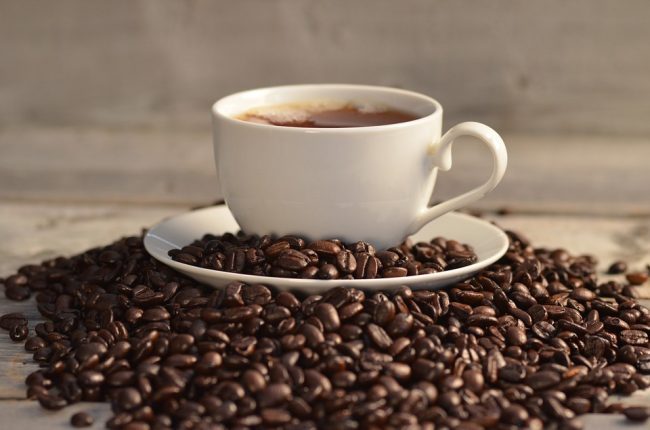
Spread in Africa and the Middle East since ancient times, it has conquered Europe since 1600 and today, consumed in a cup, represents the Italian lifestyle in the world … we are talking about coffee.
It is the favorite drink of cyclists and sportsmen in general, but coffee does good or hurt cycling activity?
Let’s try to understand better. To answer the question we must look at the most important nutritional component of coffee: caffeine. It is certain that it favors digestion and has an energetic effect on the cardiovascular system.
However, too much caffeine can lead the body to develop hypertension and insomnia and even reduce the consume of nutrients.
In addition to coffee, caffeine is also found in many other drinks (including many energy drinks used by athletes) that if consumed too often will affect on the body’s levels of it.
Often cyclists recharge with a cup of coffee while stopping during a training session or at the end of a race, and more caffeine-based energy drinks and beverages are increasingly consumed today.
Some Australian researchers have actually proved that caffeine acts positively on sports performance and also helps the body in recovering energy, but that does not mean that you can exaggerate.
Among the characteristics of caffeine there is in fact the high degree of addiction that leads the body to require ever greater amounts of the substance. Increasing the consumption of caffeine is risky especially if you suffer from conditions such as diabetes and hypertension or sleep disturbances.
In short, if you want to empower yourself, the classic espresso is the best solution. It is better to avoid energy drinks and bars that are rich in sugars and therefore have even some side effects (caries, problems with the digestive system).